

Project Evo App
In a world where attention spans are shorter than ever, the Project Evo App stands out as a game-changer for those dealing with ADHD. Originally developed as a cognitive training tool, this innovative app has evolved into what we now know as EndeavorRx, the first FDA-authorized video game treatment specifically designed to improve attention in children and teens with ADHD.
With over 12% of U.S. children diagnosed with ADHD in recent years, and global numbers surpassing 100 million affected individuals, tools like Project Evo App are more crucial than ever. As we dive into 2026, fresh data shows a surge in adult diagnoses too, making digital solutions like this not just helpful, but essential for managing daily life.
This article explores everything you need to know about the Project Evo App, from its origins to its real-world impact, backed by the latest statistics and user insights. Whether you’re a parent seeking alternatives to traditional meds or an adult looking for non-pharmacological support, let’s break down how this app is reshaping ADHD care.
The Origins and Evolution of Project Evo App
The story of Project Evo App begins back in the early 2010s, when Boston-based Akili Interactive Labs set out to blend neuroscience with engaging video game mechanics. Initially dubbed “Project: EVO,” the app was crafted to target cognitive functions like attention, focus, and multitasking—core challenges for people with ADHD. It wasn’t just another mobile game; it was built on rigorous scientific principles, drawing from research on how interactive experiences can rewire brain pathways.
By 2020, Project Evo had transformed into EndeavorRx, gaining FDA clearance as a prescription digital therapeutic for kids aged 8-12 with primarily inattentive or combined-type ADHD. This marked a pivotal moment in healthcare, proving that software could be prescribed like medication. Fast-forward to 2023, and the label expanded to include teens up to 17, reflecting growing evidence of its efficacy across age groups. In 2024, Akili introduced EndeavorOTC, an over-the-counter version for adults, making it accessible without a doctor’s note for those 18 and older.
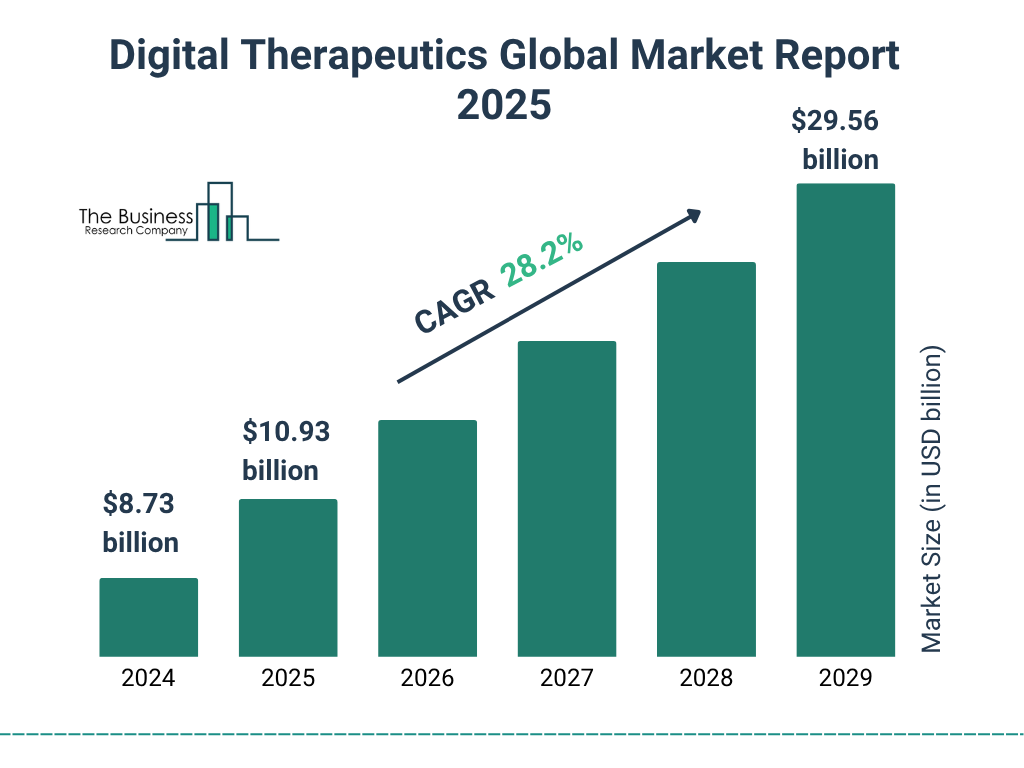
As of 2026, following Akili’s acquisition by Virtual Therapeutics in 2024, the app continues to thrive under new ownership. This merger has bolstered its reach, integrating it into a broader portfolio of mental health solutions. With digital therapeutics market projections hitting $12.58 billion this year and climbing to over $114 billion by 2035 at a 27.8% CAGR, Project Evo’s legacy is fueling a booming industry.
Key Milestones in Project Evo’s Journey
- 2011-2016: Development Phase – Akili collaborates with neuroscientists to create adaptive algorithms that adjust difficulty in real-time based on user performance.
- 2017: Early Trials – Studies show improvements in attention for older adults with depression, hinting at broader applications.
- 2020: FDA Clearance – Becomes the first game-based treatment for pediatric ADHD.
- 2024: Adult Expansion and Acquisition – EndeavorOTC launches, and Virtual Therapeutics takes the helm, promising enhanced VR integrations.
- 2026 Update – With ADHD prevalence in U.S. children at 12% and adults at 6%, the app’s user base has grown, supported by ongoing clinical data showing sustained benefits.
This evolution underscores how Project Evo App isn’t static—it’s adapting to new research and user needs, making it a staple in modern ADHD management.
How the Project Evo App Works: Gameplay Meets Neuroscience
At its core, Project Evo App (now EndeavorRx) is a video game that feels like an adventure but functions as targeted brain training. Players navigate vibrant worlds, dodging obstacles and collecting items while multitasking—think steering a hovercraft through lava rivers or icy tundras, all while responding to specific stimuli. The magic lies in its adaptive technology: the game monitors your responses and ramps up challenges to push cognitive limits without overwhelming the user.
Scientifically, it targets the prefrontal cortex and other brain areas involved in attention control. By requiring players to ignore distractions and switch tasks quickly, it strengthens neural pathways associated with focus. Clinical trials, including five studies with over 600 children, demonstrated measurable improvements in attention metrics like the Test of Variables of Attention (TOVA). In one pivotal adult study, participants saw significant gains after six weeks, with better mood and quality of life reported.
For kids, treatment involves 25 minutes of play, five days a week, for a month. Parents get progress reports via a companion app, allowing doctors to track improvements remotely. In 2026, with telemedicine on the rise, this feature has become even more valuable, reducing the need for frequent office visits.
The Science Behind the Fun
Research from 2026 highlights that digital therapeutics like this can complement traditional treatments. A recent meta-analysis shows ADHD co-occurs with other conditions in up to 32% of clinical cases, and tools like Project Evo help address overlapping symptoms like executive dysfunction. Unlike passive screen time, this active engagement promotes neuroplasticity—the brain’s ability to form new connections—leading to lasting changes.

Benefits of Using Project Evo App for ADHD Management
One of the standout benefits of Project Evo App is its non-drug approach, appealing to families wary of medication side effects. In 2026, with ADHD treatment rates declining slightly (from 76.9% to 70.8% overall), digital options are filling the gap. Users report enhanced focus in school, better homework completion, and improved social interactions.
For instance, 73% of children in trials noted attention improvements, with no serious adverse events—just minor frustrations or headaches in under 5% of cases. Adults using EndeavorOTC have seen similar results, with studies showing better daily functioning. Globally, as adult ADHD diagnoses surge to 3-4%, this app offers scalable support without the stigma of pills.
Real-World Impact in 2026
Fresh data from 2026 reveals over 366 million adults worldwide live with persistent ADHD, up from previous estimates. In the U.S., 15.5 million adults and 7.8 million kids are affected, with diagnosis rates rising post-COVID. Project Evo helps bridge treatment gaps, especially in underserved areas where access to specialists is limited.
Who Should Use Project Evo App? Eligibility and Access
Primarily for children and teens aged 8-17 with inattentive or combined ADHD, EndeavorRx requires a prescription from a healthcare provider. Costs hover around $99 for a 30-day supply, often covered by insurance in progressive plans. Adults can opt for EndeavorOTC directly via app stores, making it easier for self-managed care.
In 2026, with gender gaps narrowing—diagnosis rates for girls up to 8.2%—the app’s inclusive design benefits all users. It’s not a standalone cure but pairs well with therapy or meds for comprehensive management.
Getting Started
Consult your doctor to see if it fits your treatment plan. Download from iOS or Android, and track progress through integrated dashboards.
User Reviews and Success Stories from 2026
Parents rave about noticeable changes: “My son is more engaged in class after just weeks,” shares one reviewer. Kids find it fun at first, though some note repetition: “It’s like a boring Mario Kart, but it helps focus.” Overall ratings hover at 4.0/5, with praise for its evidence-based approach.
A 2026 story from a family: “Eye contact and communication improved dramatically—it’s like a switch flipped.” These anecdotes align with data showing 68% of users report better daily function.

The Future of Digital Therapeutics and Project Evo in 2026
As digital therapeutics explode, Project Evo’s influence is evident. Market forecasts predict a $65 billion industry by 2035, with ADHD treatments leading. In 2026, integrations with VR and AI personalization are on the horizon, thanks to Virtual Therapeutics’ expertise.
This growth reflects a shift toward accessible, evidence-based care, especially as global ADHD numbers hit 129 million children alone.
Comparing Project Evo App to Traditional ADHD Treatments
Traditional meds like stimulants work for 70-80% of cases but come with side effects. Project Evo offers a side-effect-light alternative, with studies showing comparable attention gains without dependency risks. Behavioral therapy complements it, but the app’s convenience wins for busy families.
In 2026, hybrid approaches are trending, with 48% using behavioral treatments alongside digital tools.
| Treatment Type | Pros | Cons | Cost (2026 Est.) |
|---|---|---|---|
| Medication | Quick results | Side effects like appetite loss | $50-200/month |
| Therapy | Builds skills | Time-intensive | $100-200/session |
| Project Evo App | Engaging, no drugs | Requires consistency | $99/30 days |
FAQs About Project Evo App
What is the Project Evo App used for?
It’s a digital therapeutic to improve attention in ADHD, now known as EndeavorRx for kids and EndeavorOTC for adults.
Is Project Evo App FDA-approved?
Yes, EndeavorRx is FDA-authorized for ages 8-17; EndeavorOTC is cleared for adults.
How much does Project Evo App cost in 2026?
Around $99 for a monthly prescription, with potential insurance coverage.
Can adults use Project Evo App?
Absolutely, via EndeavorOTC, available over-the-counter.
Are there side effects to using Project Evo App?
Minimal—mostly frustration or headaches, resolving quickly, with no serious events reported.
Final Thoughts: Take the Next Step with Project Evo App
Project Evo App, through its evolution into EndeavorRx, represents the future of ADHD treatment—innovative, accessible, and effective. With 2026 data underscoring the rising need for such tools, it’s time to explore how it can fit into your life. Consult your healthcare provider today to get started and unlock better focus tomorrow.